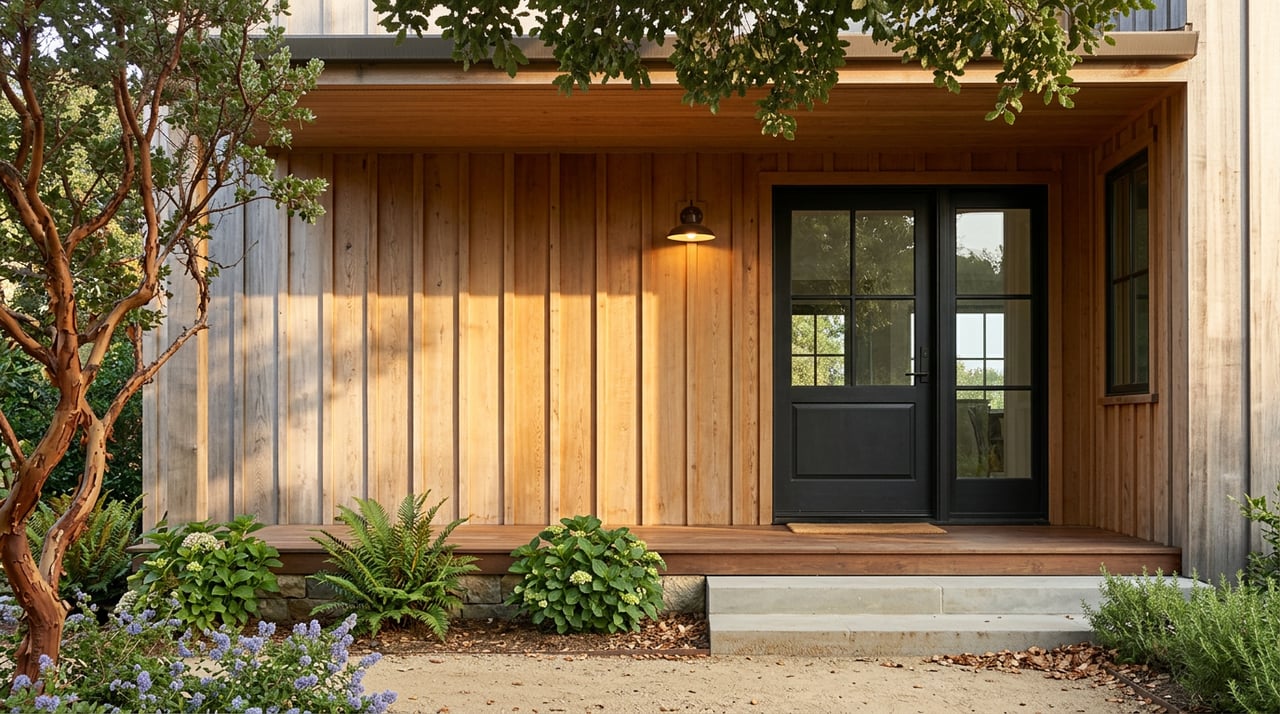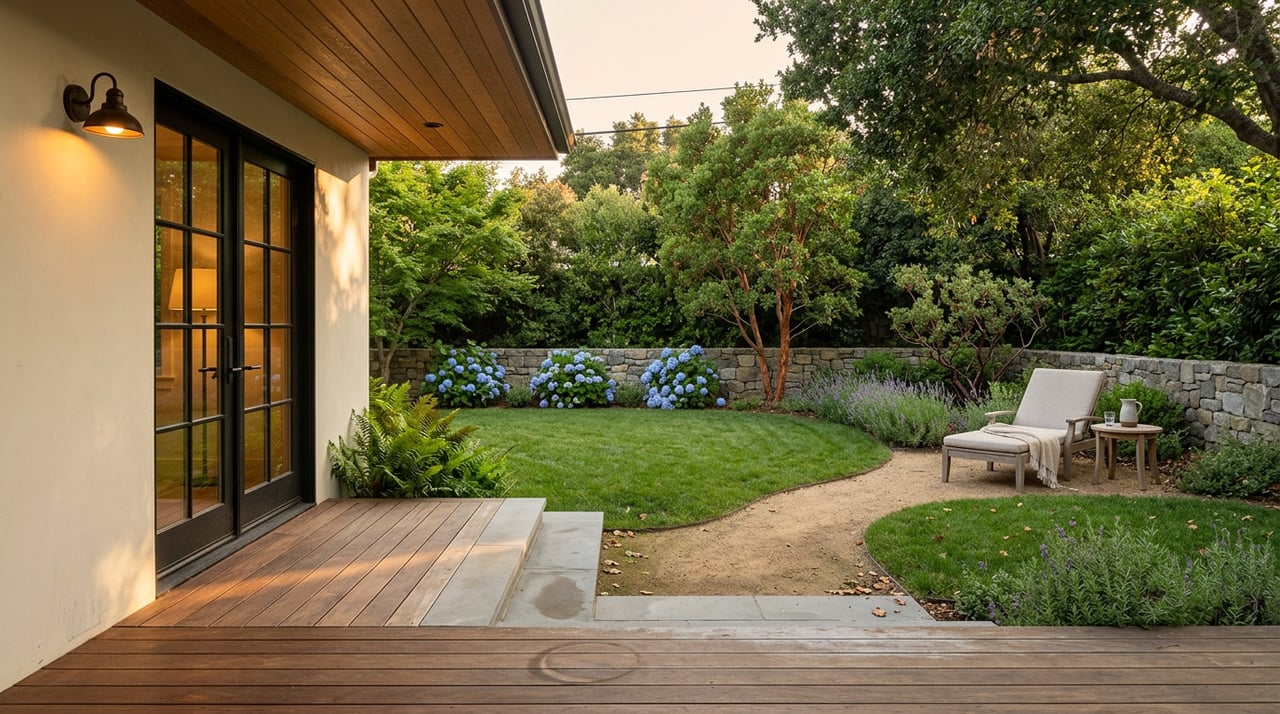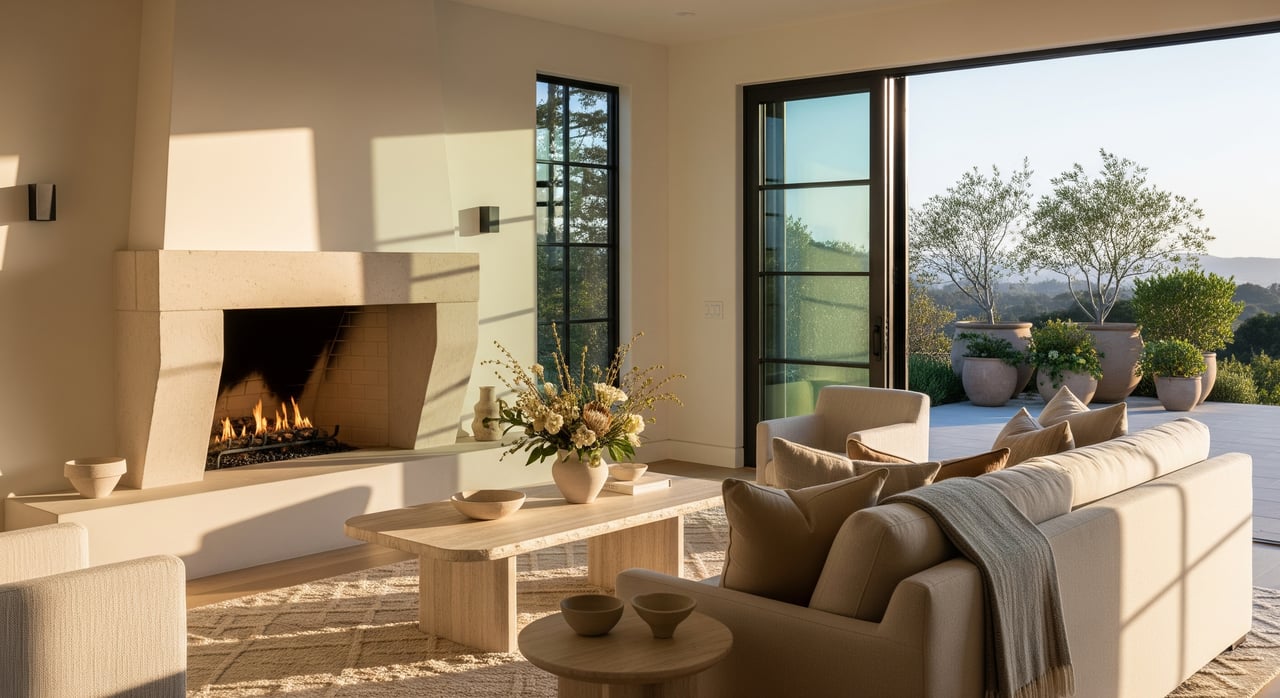
Is staging really worth it when you sell in Kentfield? If you are preparing a Marin home for the spring market, you are likely weighing costs, timeline, and what actually moves the needle on price and speed. You want a clear plan that respects your time and delivers a strong first impression online and in person.
In this guide, you will learn realistic staging costs for Kentfield, where to invest for the best return, and a week‑by‑week plan that takes you from consult to live listing. You will also see example budgets by price tier and how a coordinated process keeps everything on track. Let’s dive in.
Why staging matters in Kentfield
Kentfield sits in an affluent Marin pocket where buyers expect polished presentation, quality finishes, and inviting outdoor areas. Many compare homes in Kentfield with nearby San Rafael, Mill Valley, and Tiburon, so your listing must stand out on photography, layout, and lifestyle.
Because local prices and service rates run higher than national averages, well‑targeted staging can be a smart investment. Even a modest uplift in sale price or a faster sale can justify the spend, especially when you are listing a higher value property. The goal is to match buyer expectations for Marin, not overdo it.
What staging costs in Marin
Pricing in Kentfield is typically above national averages. Use these ranges to frame your budget, then confirm with local vendor quotes.
Initial consultation
- What you get: On‑site evaluation, room prioritization, and a written plan.
- Typical range: $150 to $600 one time.
- When to use: Almost always. It aligns everyone before work begins.
Occupied home styling
- What you get: Designer guidance to use your existing furniture, plus select rentals for accents.
- Typical range: $300 to $800 per room for one‑time styling, or $100 to $400 per room for short‑term rentals.
- Best for: Homes with solid pieces that need editing, layout tweaks, and fresh accessories.
Vacant home staging
- What you get: Full furniture and accessories for empty rooms.
- Typical range: $500 to $2,000 or more per room per month. Whole‑house first month often runs $2,500 to $15,000 or more, including delivery and install. Higher‑end Kentfield homes usually land at the top of these bands.
- Notes: Monthly rental renews if the listing stays on the market.
Partial staging, model room approach
- What you get: Key rooms only, often living room, kitchen and dining, primary suite, and main bath.
- Typical range: $1,500 to $6,000 total, driven by room count and furnishing quality.
Light cosmetic prep that boosts perception
- Interior painting in neutral tones: $300 to $2,500 per room, scope dependent.
- Minor repairs, caulking, floor touch‑ups: $200 to $2,000.
- Landscaping refresh: $500 to $5,000, hillside or terraced lots can add cost.
- Professional cleaning and declutter support: $200 to $1,000.
- Photography and optional virtual staging: $200 to $800 for photos, plus $50 to $150 per virtually staged image.
Duration and fees to expect
- Vacant staging rents monthly. Pro‑rated charges apply if you extend.
- Delivery, install, and pickup commonly add $300 to $1,500, depending on access and stairs.
What ROI you can expect
There are two common return paths from staging. You can achieve a higher sale price versus similar unstaged homes, or you can sell faster which lowers carrying costs and improves negotiating leverage. Industry guidance suggests professionally presented homes tend to show and photograph better, which often helps both price and speed, but results vary by home, pricing, and market conditions.
In Kentfield, even a small percentage improvement can be meaningful. A one percent uplift on a multimillion dollar property can cover a robust staging plan. The key is to tailor the scope to the property and the buyer pool.
What drives ROI in Kentfield
- Price tier and buyer pool for your specific home
- Condition versus nearby listings and recent solds
- Quality of staging that matches the home, not more and not less
- Market velocity and timing, especially around spring
- Photography and marketing that highlight your home’s strengths
- Curb appeal and outdoor living, a major Marin priority
When staging is less cost‑effective
- An extreme sellers’ market where most homes receive multiple offers quickly. Staging still helps, but the marginal gain can be smaller.
- Homes with structural or major condition issues. Repairs should come first, since staging will not offset serious defects.
- Homes already furnished to a high standard. Light styling and decluttering may be the smarter spend.
Staging priorities by price tier
Use local comps to place your home, then right‑size the plan and budget.
Entry or mid Kentfield listings
- Focus rooms: Curb appeal, living room, kitchen, and primary bedroom.
- Budget guidance: $2,000 to $6,000 for targeted staging and light cosmetic work.
- Sample allocation:
- Curb and outdoor: 20 percent
- Living and kitchen styling: 40 percent
- Primary bedroom: 20 percent
- Professional photography and final cleanup: 20 percent
Mid‑range family homes
- Focus rooms: Kitchen refresh or styling, main living and dining, primary suite, and the main outdoor entertaining area.
- Budget guidance: $5,000 to $12,000 for partial to full staging, plus $2,000 to $8,000 for paint or hardware updates.
- Sample allocation:
- Kitchen and dining: 35 percent
- Living areas: 25 percent
- Outdoor staging: 15 percent
- Primary suite: 15 percent
- Photography: 10 percent
Luxury or estate properties
- Focus rooms: Grand living spaces, kitchen, primary suite and bath, formal dining, outdoor terraces or pool areas, and a home office or media room if present.
- Budget guidance: $10,000 to $40,000 or more for a high‑quality presentation. Very high‑end estates can require larger budgets to meet buyer expectations.
- Sample allocation:
- Living and kitchen: 40 percent
- Outdoor and terraces: 25 percent
- Primary suite: 15 percent
- Select secondary rooms: 10 percent
- Specialty styling, lighting, art accessories: 10 percent
A practical 6‑week prep plan
Work backward from your photography date, then your target list date. Build in a buffer so the home is spotless and styled before the first showing.
Week 1: Strategy and scope
- Schedule a staging consultation and a pre‑listing walkthrough to define priorities.
- Identify necessary repairs, paint, landscaping, cleaning, and any hardware or lighting updates.
- Request two to three quotes per trade and a staging proposal aligned to your timeline.
Week 2: Book vendors and order materials
- Approve scopes and sign contractor agreements.
- Book the stager and photographer, set install and shoot dates in writing.
- Begin decluttering and remove personal items to simplify the install.
Weeks 3 to 4: Complete prep work
- Contractors handle repairs, painting, and landscape refresh.
- Finalize the staging plan and confirm delivery logistics, especially for hillside access or stairs.
- Schedule a deep clean after work wraps and before staging.
Week 5: Install and photograph
- Staging install takes one to three days, depending on scope.
- Photographer captures high‑resolution images. Consider twilight shots if outdoor spaces shine.
- Review marketing materials and finalize your list date.
Week 6: Go live and monitor
- List the property, maintain show‑ready condition, and track showings and feedback.
- Be prepared to extend staging monthly if needed. Monitor days on market and interest levels closely.
How Kris keeps it on track
A well‑run prep phase looks and feels like a small renovation with a clear project manager. Here is how to keep quality high and surprises low.
- Vendor selection: Gather two to three written quotes per trade, verify insurance and references, and ask for Marin or Kentfield examples.
- Scheduling: Confirm arrival windows, parking and truck access, elevator or stair limits, and any HOA rules. Put install and photo dates in writing.
- Contracts and payment: Use detailed scopes with milestones. Hold back 10 to 20 percent until the punch list is complete. Clarify who moves existing items.
- Quality control: Daily check‑ins with photos. Create a punch list before staging. Ensure cleaning and odor removal are finished before photography.
- Contingency: Add 7 to 14 days of buffer for unexpected delays. Reserve funds for an extra month of staging if the market time runs longer.
Before and after, three examples
These scenarios are illustrative to show actions and budget scale. Actual results depend on your home, pricing, and competition.
Cottage in Kentfield
- Situation: Three‑bed cottage with dated finishes on a good lot, aiming for a quick spring sale.
- Actions: Two‑hour staging consult, declutter, paint the main living room and trim, refresh landscaping with mulch and potted plants, stage living, kitchen, and dining.
- Approximate spend: $4,500 total. Paint $1,500, landscaping $700, staging $2,000, photos $300.
- Aim: Strong online first impression and more showings to reach market value faster.
Mid‑range family home, vacant
- Situation: Empty four‑bed home with an attractive backyard.
- Actions: Vacant staging for four main rooms plus outdoor furniture, professional photography and twilight shots, new kitchen hardware and light fixtures.
- Approximate spend: $10,500 for the first month. Staging $7,000, fixtures and hardware $1,500, photos $500, landscaping $1,500.
- Aim: Help buyers visualize scale and lifestyle, shorten days on market, and support a stronger price.
Luxury estate with terraces
- Situation: Five‑bed hillside estate that needs a curated luxury presentation.
- Actions: High‑end staging for living, dining, primary suite, and office. Outdoor terrace dining and lounge setup, concierge moving and storage, specialized art and accessories rental.
- Approximate spend: $25,000 to $50,000 depending on rental length and quality tier.
- Aim: Present a complete lifestyle that aligns with top‑tier pricing.
Quick seller checklist
- Get a staging consult and a pre‑listing walkthrough.
- Pull recent Kentfield comps to place your home in a price tier.
- Decide on occupied styling, partial, or vacant staging.
- Prioritize high‑impact spaces, kitchen, main living, primary suite, and outdoor areas.
- Secure two to three quotes per trade and confirm insurance.
- Lock staging install and photo dates, then build a 7 to 14 day buffer.
- Finish repairs, paint, and landscaping before deep cleaning and styling.
- Approve photography and listing materials before going live.
Ready to talk strategy?
If you want a clear plan for staging ROI in Kentfield, you deserve calm, organized guidance and strong execution. From quotes and vendor scheduling to final photography, the right plan keeps your listing on track and show‑ready. If you are preparing to sell this spring, connect with Kris Klein to align budget, timeline, and marketing so you hit the market with confidence.
FAQs
How much should a Kentfield seller budget for staging?
- Most homes start with a few thousand dollars for targeted styling and prep. Luxury or estate properties often plan for a five‑figure budget to meet buyer expectations.
Is virtual staging a good alternative in Marin?
- Virtual staging is useful for photos, but buyers usually prefer to tour real furnishings. Use virtual images as a supplement when needed, not a full substitute for higher priced listings.
Which rooms deliver the best ROI in Kentfield?
- Kitchen and main living areas, the primary suite, and outdoor entertaining zones usually have the biggest impact on photos, showings, and perceived value.
How long does staging take from start to list date?
- A well‑planned 6‑week schedule is common, with 1 to 3 days for install near photography. Build in a 7 to 14 day buffer for surprises.
When is staging not worth the spend?
- If the market is moving extremely fast or the home has major condition issues, focus first on pricing and essential repairs. Light styling may be enough when furnishings already show well.
Do staging costs get reimbursed at closing?
- Staging and prep are seller expenses. These costs can help you sell faster or at a stronger price, but they are not typically reimbursed unless negotiated into the final contract.