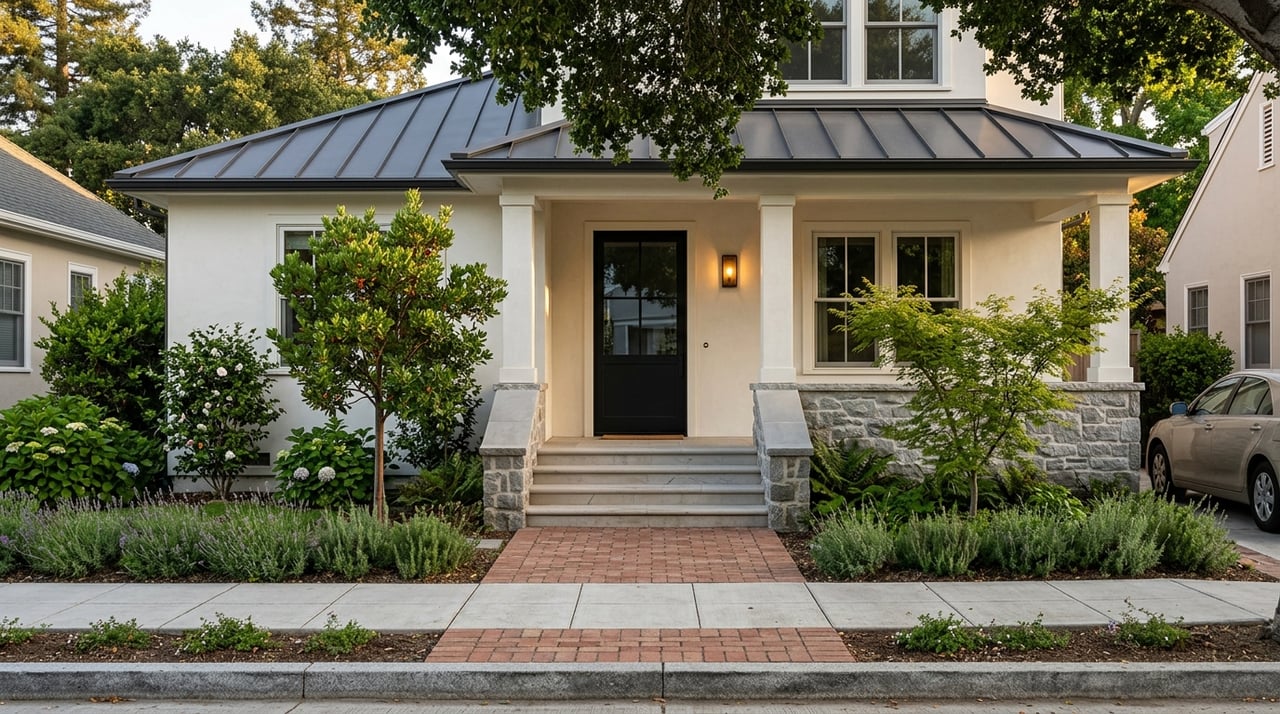
If you want competitive offers in Mill Valley, preparation matters more than ever. Buyers move quickly, but they also notice visible flaws, missing paperwork, and anything that feels uncertain. When you know how to prepare your home before it hits the market, you can create a stronger first impression and make it easier for buyers to act with confidence. Let’s dive in.
Why prep matters in Mill Valley
In March 2026, BAREIS MLS reported 23 residential closings in Mill Valley with an average of 27 days on market. In nearby San Rafael, there were 43 residential closings with an average of 32 days on market.
That pace gives you a relatively short window to stand out. If your home launches looking clean, well-documented, and easy to understand, you can reduce hesitation and put yourself in a better position for strong terms.
Start with records and permits
One of the smartest early steps is to review your property records before listing. The City of Mill Valley’s Property & Permit Information system provides access to planning and building records and general property information, though older records may not appear in the database.
If your home has had an addition, conversion, or remodel, checking the permit trail early can help you decide what needs attention before buyers start asking questions. In many cases, it is better to identify a gap upfront than to let it surface during escrow.
Review past work carefully
Focus on any spaces that may raise questions during showings or inspections, such as:
- Converted garages
- Added bathrooms
- Expanded kitchens
- Finished lower levels
- Deck work or exterior improvements
When your paperwork is organized early, you give yourself more time to clarify, repair, or disclose issues in a calm and strategic way.
Get disclosures ready early
California sellers are required to provide specific disclosures, and timing matters. The Real Estate Transfer Disclosure Statement describes the condition of the property, and listing and selling brokers must also complete a reasonably competent and diligent visual inspection of accessible areas and disclose material facts that affect value, desirability, or intended use.
If required disclosures are delivered after an offer or purchase agreement is signed, the buyer may have a short window to terminate. That is one reason early disclosure preparation can be so important in a fast-moving Marin market.
Key disclosures sellers should expect
Depending on the property, your sale may involve:
- A Real Estate Transfer Disclosure Statement
- A Natural Hazard Disclosure Statement
- Lead-based paint disclosure for pre-1978 homes, if applicable
The Natural Hazard Disclosure Statement covers issues such as special flood hazard areas, dam inundation areas, high or very high fire hazard severity zones, wildland areas, earthquake fault zones, and seismic hazard zones.
For pre-1978 homes, federal law requires disclosure of known lead-based paint hazards before sale. If you want to determine whether lead-based paint is present, the EPA recommends using a certified inspector or risk assessor.
Address wildfire requirements in Marin
Wildfire compliance can be a major part of seller preparation in Marin County. Marin County states that if a home is located in a High or Very High Fire Hazard Severity Zone, the seller must obtain an AB-38 inspection, and some local fire jurisdictions conduct resale inspections regardless of AB-38.
The inspection documentation must show defensible-space compliance and be provided to the buyer. If this step applies to your property, it is best to start early so you have time to complete any required work before your listing goes live.
Defensible space basics
CAL FIRE says homeowners should:
- Maintain 100 feet of defensible space
- Keep annual grass to 4 inches or less
- Keep combustible materials 30 feet away from the home
Even beyond compliance, this kind of exterior prep can improve how your property shows. A tidy, well-maintained landscape signals care and can help buyers feel more comfortable about the home’s condition.
Fix what buyers notice first
You do not always need a major remodel to improve your result. In many cases, the best return comes from handling the small issues that stand out immediately during photos, showings, and walkthroughs.
According to the National Association of Realtors’ 2023 staging profile, the most common seller prep recommendations were decluttering, whole-home cleaning, and removing pets during showings. The practical priority close to listing is often to fix visible flaws first.
High-impact prep items
Before launch, consider focusing on:
- Paint touch-ups
- Fresh wall paint where needed
- Carpet cleaning
- Grout cleaning or repair
- Minor repairs
- Landscaping cleanup
- Decluttering throughout the home
- Deep cleaning
These updates can make your home feel more cared for, more move-in ready, and easier for buyers to picture as their future home.
Stage the rooms that matter most
Staging can help buyers connect with your home faster. NAR found that 81% of buyers’ agents said staging made it easier for buyers to visualize a property as a future home.
The same report found that 20% of buyers’ agents said staging increased the dollar value offered by 1% to 5%, and 21% of sellers’ agents said staging greatly decreased time on market. While every home and price point is different, those findings support the value of thoughtful presentation.
Prioritize your staging budget
If you are deciding where to focus, the most commonly staged rooms were:
- Living room
- Kitchen
- Primary bedroom
- Dining room
In Mill Valley, where lifestyle and presentation often go hand in hand, these spaces do a lot of the emotional work. Clean lines, lighter visual clutter, and a calm layout can make the home feel more spacious and more inviting.
Make your online presentation count
Your first showing usually happens online. NAR found that photos were the most important listing asset to clients, and that videos and traditional physical staging were also important.
Buyers are also more likely to walk through a home after seeing it online. That means your launch should not just be about cleaning up the house. It should also be about creating a polished presentation that motivates buyers to schedule a visit.
What a strong launch package should do
A strong listing launch should help buyers quickly understand:
- How the home looks at its best
- How the main rooms flow
- What updates or features stand out
- That the property is clean, cared for, and ready to tour
- That the paperwork is organized and clear
When your home looks appealing and your disclosure package reduces uncertainty, you may also lower the chance of renegotiation pressure later.
Create a smooth showing experience
Once your home is on the market, convenience matters. Buyers often compare several homes in a short period, so the easier your property is to tour, the better.
Try to keep the home clean, neutral, and show-ready throughout the launch period. Removing pets during showings, keeping surfaces clear, and maintaining a consistent level of readiness can help every appointment feel like an opportunity.
Your final pre-listing checklist
Before going live, make sure you have covered these basics:
- Review available property and permit records
- Clarify any past additions, conversions, or remodels
- Prepare required disclosures early
- Confirm whether AB-38 or local fire resale requirements apply
- Complete defensible-space work if needed
- Handle visible cosmetic repairs
- Declutter and deep clean
- Stage key rooms
- Prepare professional photos and any video assets
- Keep the home easy to show
The real goal: reduce buyer uncertainty
The strongest offers usually come when buyers feel excited about the home and comfortable with the process. That is why preparation is not just about appearance. It is also about reducing doubt.
In a market like Mill Valley, where timing can move quickly, sellers who prepare records, disclosures, condition, and presentation in advance are often better positioned to attract serious interest. A calm, organized launch helps buyers focus on the value of your home instead of the questions surrounding it.
If you are thinking about selling in Mill Valley or nearby central Marin, working with an advisor who can coordinate preparation, timing, and presentation can make the process feel much more manageable. When you are ready to position your home for a strong market debut, connect with Kris Klein.
FAQs
What should Mill Valley sellers do before listing a remodeled home?
- Review available property and permit records early, especially if your home has had an addition, conversion, or remodel, so you can address questions before buyers raise them.
What disclosures are required when selling a home in California?
- California sellers generally need to provide a Real Estate Transfer Disclosure Statement, and many sales also include a Natural Hazard Disclosure Statement and lead-based paint disclosure for pre-1978 homes.
What is an AB-38 inspection in Marin County?
- In Marin County, a seller of a home in a High or Very High Fire Hazard Severity Zone must obtain an AB-38 inspection, and the documentation must show defensible-space compliance and be given to the buyer.
How can staging help a Mill Valley home sell?
- Staging can help buyers visualize the home more easily, and industry survey data found it may support stronger offers and a shorter time on market.
Which rooms should sellers stage first before listing in Mill Valley?
- If you want to prioritize your budget, start with the living room, kitchen, primary bedroom, and dining room, since those are the rooms most commonly staged.
What home prep tasks matter most before showings in Marin?
- Decluttering, whole-home cleaning, landscaping cleanup, minor repairs, paint touch-ups, and removing pets during showings are among the most important steps.