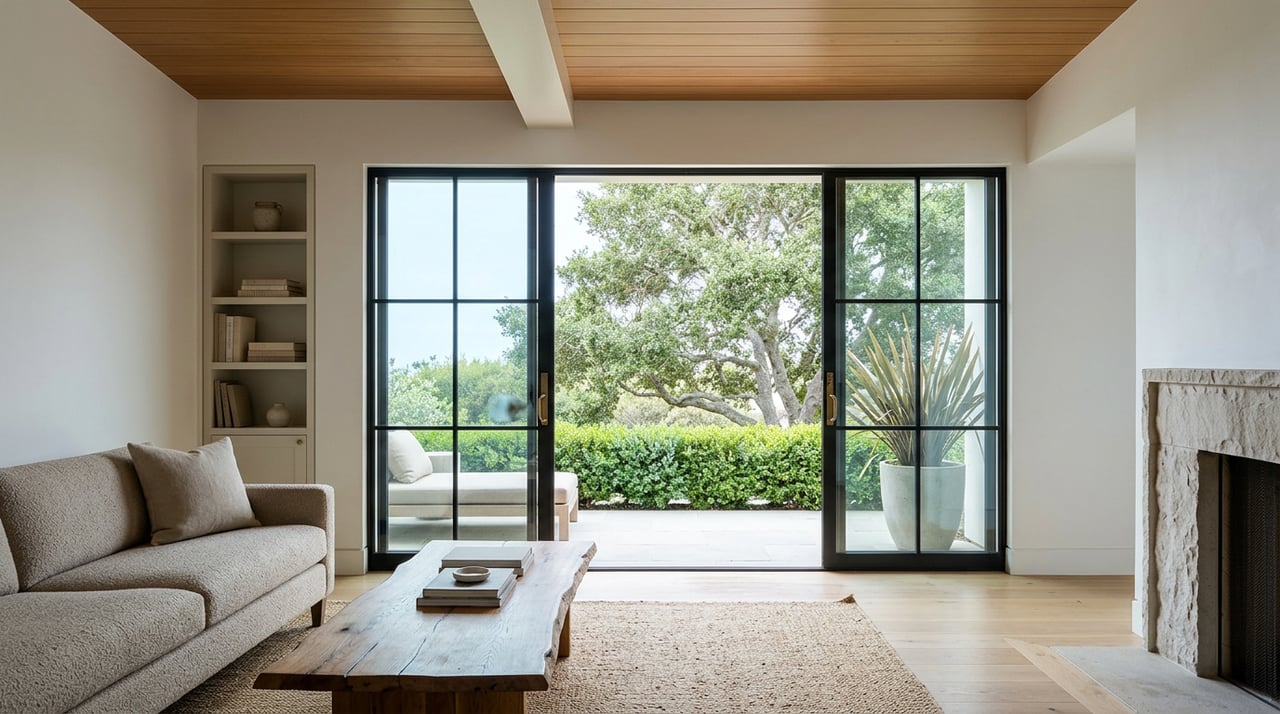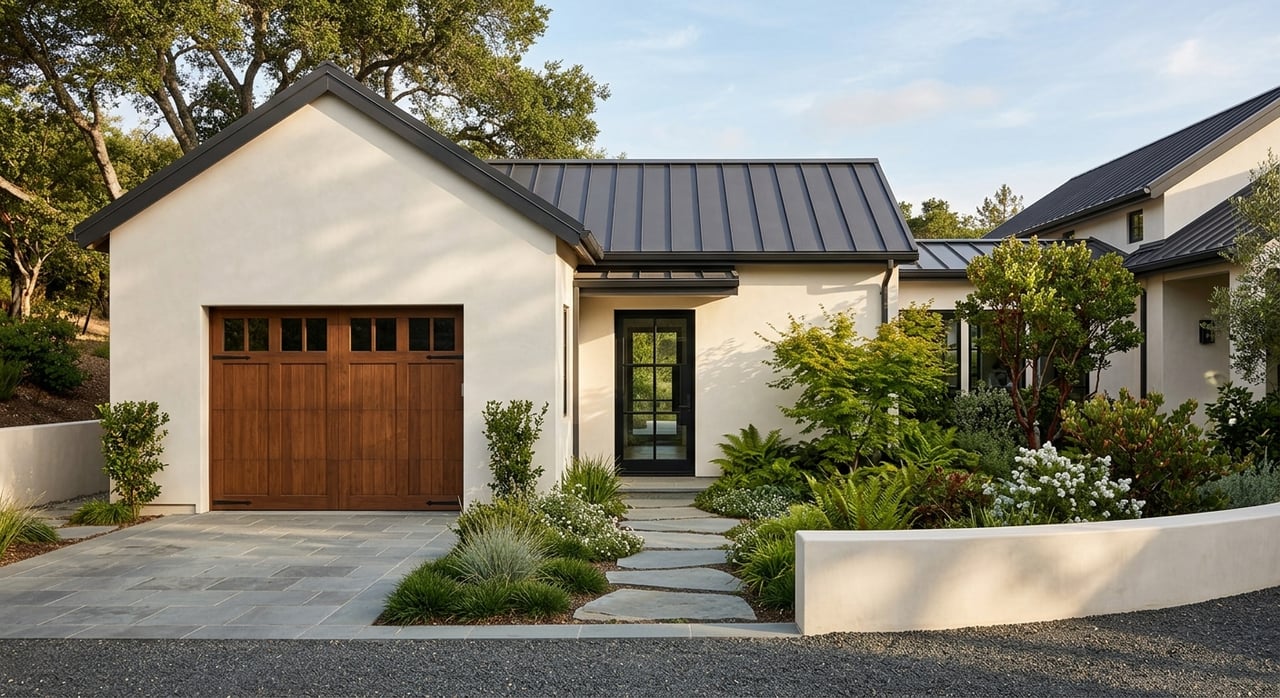
If you have ever pictured a second home surrounded by trees, trails, and quick access to Marin’s outdoor lifestyle, Mill Valley probably makes your shortlist. It offers a rare mix of natural beauty, small-town character, and proximity to the Bay Area, but it also comes with high prices, older housing stock, and important ownership rules to understand. If you are weighing whether a second home here makes sense for your lifestyle and budget, this guide will help you think it through clearly. Let’s dive in.
Why Mill Valley draws second-home buyers
Mill Valley stands out because it feels like a retreat without being remote. According to the city’s MV2040 General Plan, Mill Valley aims to protect its natural beauty, small-town character, open space, hillsides, creeks, and woodlands. For many buyers, that creates the kind of setting that makes a second home feel meaningfully different from a primary residence in a busier urban area.
The outdoor access is a major part of the appeal. The city’s parks system includes hiking and running trails, creek access, a downtown plaza, and bayfront open space, while nearby destinations include Mount Tamalpais State Park, Muir Woods National Monument, and beaches within the Golden Gate National Recreation Area. If your goal is frequent personal use centered on nature, Mill Valley offers a strong lifestyle case.
What the market says today
A second home in Mill Valley is rarely an impulse purchase. Recent market snapshots point to a high-cost, competitive environment, with Redfin reporting a February 2026 median sale price of $1.63 million and median days on market of 35, while Realtor.com reported a February 2026 median listing price of $1.92 million, median days on market of 18, and a 101% sale-to-list ratio.
Taken together, those numbers suggest you should expect competition and limited negotiating room on well-positioned homes. If you are looking for a second home that feels like a value play or a low-friction bargain, Mill Valley may not be the easiest fit. If, instead, you are focused on long-term lifestyle use in a sought-after Marin location, the market may be easier to justify.
Housing stock matters in Mill Valley
Expect more established homes
Mill Valley’s housing profile points to a mature housing stock. The city’s Housing Element says most of the housing inventory was built before 1991, which often means more established single-family homes, hillside properties, and fewer opportunities to buy newer construction.
For you as a second-home buyer, that has practical implications. Older homes can offer charm, views, and a strong sense of place, but they may also require more maintenance planning, renovation budgeting, and systems review than a newer home in a more recently built community.
Plan for site-specific risks
The same Housing Element also identifies very high fire severity zones, steep slope areas, and FEMA floodway areas within Mill Valley. That does not mean every property faces the same exposure, but it does mean property-specific due diligence is especially important.
For a second home, this can affect more than your initial purchase decision. Insurance availability, defensible-space upkeep, and resilience planning all become part of the ownership picture, especially if the home will not be occupied full-time.
Understand the true carrying costs
Property taxes can surprise buyers
California property taxes are shaped by Proposition 13. The California State Board of Equalization explains that property tax is generally limited to 1% of assessed value plus voter-approved bonded indebtedness, and that a purchase or new construction can trigger supplemental tax bills based on the reassessed value.
That matters because your tax costs may not stop with the regular annual bill. After closing, you could receive a supplemental bill sooner than expected, which is something many second-home buyers should build into their first-year cash planning.
Most second homes do not qualify for owner exemptions
The homeowners’ exemption rules are also important. The ordinary homeowners’ exemption applies only to a dwelling that is occupied as your principal residence, and Mill Valley’s local MST and Library Tax exemptions also require an owner-occupied single-family home along with age and income criteria.
In simple terms, a true second home generally will not qualify for these owner-occupied relief programs. If you are comparing Mill Valley with other second-home options, this is one more reason to budget based on full carrying costs rather than hoped-for exemptions.
City charges belong in your annual budget
Mill Valley also has recurring local charges to account for. The city’s MST Tax Rates page notes that the Municipal Service Tax is currently $266 for Year 1 on an occupied single-family residence, with annual 2% increases.
While this may not be the largest line item in your budget, it is part of the real ownership cost. For second-home buyers, it is helpful to evaluate the purchase not just by mortgage and purchase price, but by the full annual cost of holding the property.
Rental income is possible, but not passive
Short-term rentals have clear rules
If you are thinking about offsetting costs with occasional short-term rental use, Mill Valley does allow it in many cases. Under the city’s Short-Term Rental program, short-term rentals are allowed in residential units except deed-restricted ADUs and JADUs.
However, operating legally requires more than posting a listing. Owners need a short-term rental permit, a business license, annual registration renewal, and transient occupancy tax filing, and they must provide guests with house rules covering occupancy, parking, emergency contact, trash, noise, and good-neighbor conduct.
Monthly tax filing adds work
The administrative side is meaningful. The city’s Transient Occupancy Tax rules require monthly returns, and late payments can trigger a 10% penalty, another 10% delinquency penalty after 30 days, and 0.5% monthly interest.
That does not make short-term rental income impossible. It simply means a Mill Valley second home is unlikely to be a hands-off vacation rental if you want to stay compliant.
A long-term rental fallback may exist
Your exit strategy matters too. Mill Valley’s Lease to Locals pilot program runs through 2026 and may pay qualifying owners up to $14,000 to convert a property to year-round workforce housing.
If your plans change later, that could offer a useful alternative to vacation-only use. Since the program is time-limited, it should be viewed as a possible option rather than a permanent assumption.
Think beyond the purchase
Resale has local requirements
Mill Valley ownership also comes with resale rules worth knowing up front. According to the city’s property transfer FAQs, the city imposes a transfer tax of $0.275 per $500 of property value, and a Residential Building Report is required before close of escrow.
The city also notes that permit violations attach to the parcel. That means if you buy a second home here, it is wise to verify permit history and any open violations before closing, especially when considering older homes or properties with past additions or remodeling.
Capital gains treatment is different
A second home also has a different tax profile when you sell. The IRS guidance on sale of residence tax rules states that the federal home-sale exclusion applies only to a principal residence, and if you own more than one home, the gain exclusion is available only on the sale of your main home.
That means appreciation on a second home may be taxable unless the property later qualifies as your principal residence or another tax strategy applies. For many buyers, this is an important part of evaluating the long-term economics.
So, is Mill Valley the right second-home fit?
Mill Valley can be a strong match if you want a second home you will actually use often. It is especially compelling if your priorities include outdoor access, a scenic setting, and a home base in central Marin that feels peaceful but connected.
It may be less ideal if you want low maintenance, minimal carrying costs, or a property that depends on easy short-term rental income to make the numbers work. In Mill Valley, the lifestyle value can be high, but so is the commitment.
If you are considering a second home here, the best approach is to look at the full picture: purchase price, ongoing taxes and city charges, insurance, property condition, rental rules, and your likely pattern of personal use. When those pieces line up, a Mill Valley second home can be a very rewarding long-term choice.
If you want help evaluating neighborhoods, comparing property types, or understanding how a specific Mill Valley home fits your goals, Kris Klein offers thoughtful local guidance and a calm, hands-on approach throughout the process.
FAQs
Is Mill Valley a good place for a second home?
- Mill Valley can be a good fit if you want frequent personal use, access to trails and open space, and a retreat-like setting in Marin, but it is generally better suited to buyers who are comfortable with higher upfront and ongoing costs.
Are short-term rentals allowed for a second home in Mill Valley?
- Yes, Mill Valley allows short-term rentals in residential units except deed-restricted ADUs and JADUs, but owners must follow permit, licensing, registration, and transient occupancy tax requirements.
What costs should second-home buyers expect in Mill Valley?
- You should plan for the purchase price, property taxes, possible supplemental tax bills, city charges such as the Municipal Service Tax, insurance, maintenance, and any property-specific resilience or upkeep costs.
Does a second home in Mill Valley qualify for homeowner tax exemptions?
- In most cases, no. The ordinary homeowners’ exemption generally applies only to your principal residence, and local exemptions also require owner occupancy and other eligibility criteria.
What should buyers check before buying an older Mill Valley home?
- Buyers should review the home’s condition, maintenance needs, permit history, and any open permit violations, especially because Mill Valley has many older homes and violations can attach to the parcel.