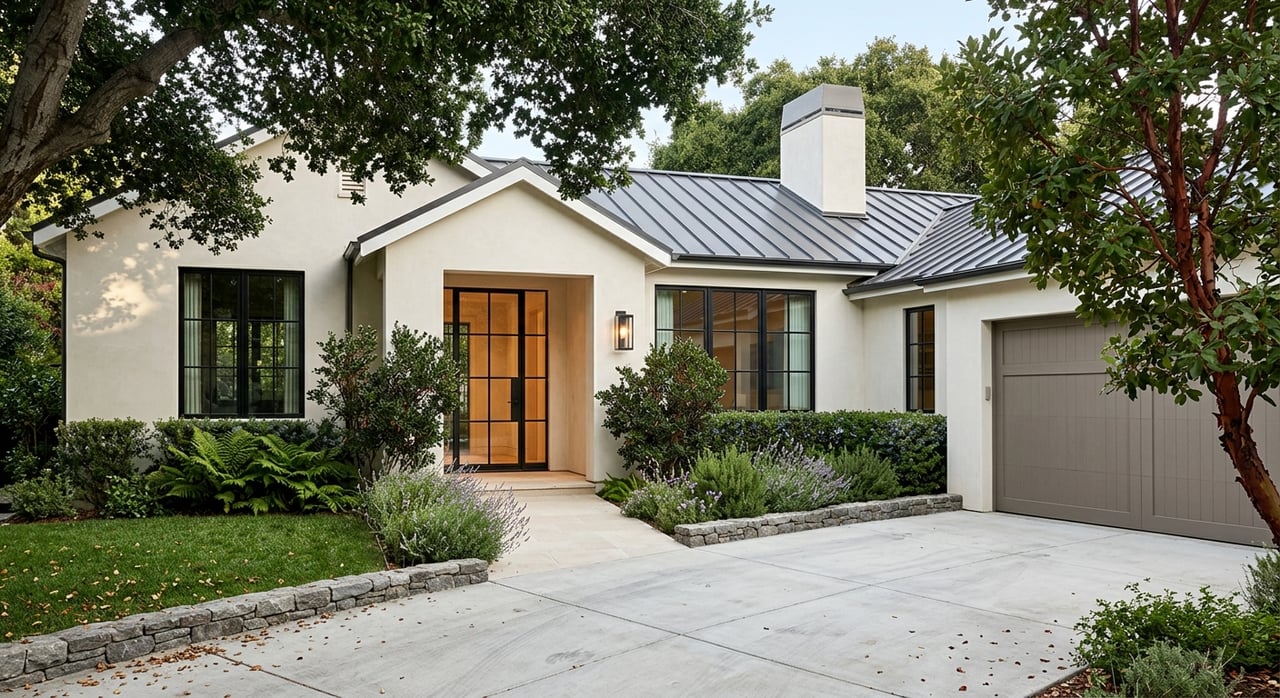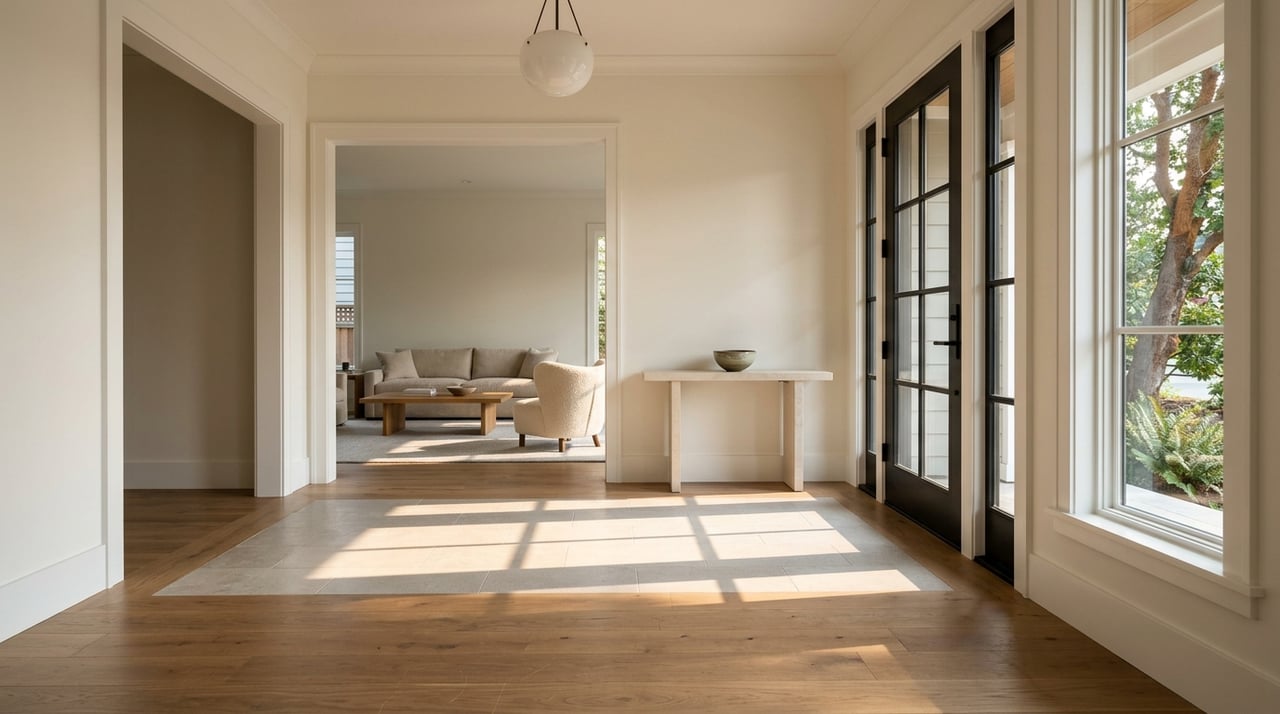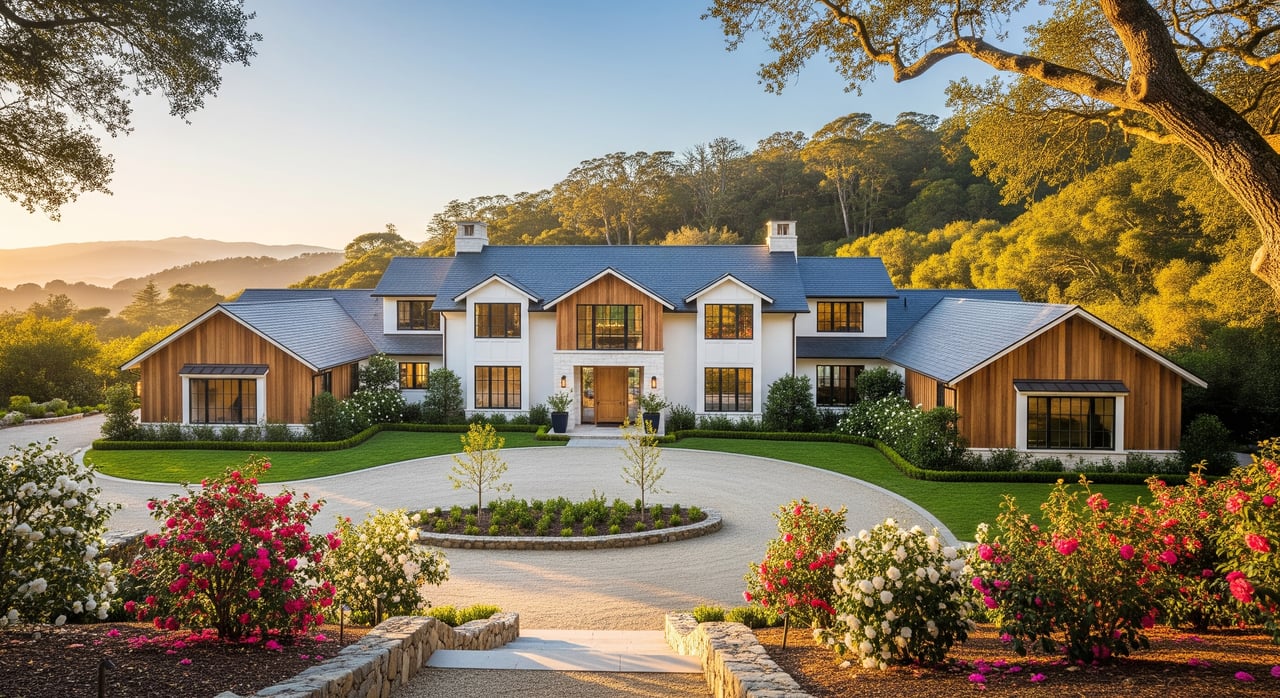
Thinking about selling in Ross and wondering if there is a perfect moment to go live? In a small, high-end market like Ross, timing can make a real difference. You want strong buyer activity, clean terms, and minimal time on the market without sacrificing privacy. In this guide, you will learn the seasonal windows that matter, how Ross behaves as a micro-market, and how to plan a discreet, well-orchestrated launch that protects your time and value. Let’s dive in.
Ross micro-market at a glance
Ross is a small, luxury-focused town inside Marin County, and its numbers can swing month to month. The broader Marin rhythm still applies: buyer demand builds in late winter, peaks in spring, moderates through summer, and slows in late fall and winter. Because inventory is limited and many transactions are quiet or off-market, single sales can distort the stats.
The practical takeaway is simple. Use seasonality as your compass, but make decisions with multi-year trends and real-time context. When in doubt, combine Ross data with a small buffer area like Kentfield, San Anselmo, or parts of San Rafael to stabilize patterns before you set dates or pricing.
Best months to list
Spring peak: March to June
If you want maximum visibility and shorter days on market, spring is your lead window. More qualified buyers are circulating, and many want to close before summer ends. With the right pricing and presentation, properties often sell closer to list price in this season because demand is concentrated.
Spring also aligns with the school calendar, so buyers who prefer a summer move are active. In Ross, that means you may see stronger showing traffic and faster negotiations when your home is positioned well.
Fall window: September to October
The second-best window arrives after summer travel, when buyers reset their search. You will see fewer listings than spring, but the buyer pool can be focused and motivated. If you missed spring or needed more prep time, an early September launch can perform well.
For some properties, especially unique estates, early fall offers a chance to stand out without as much competition. You can pair pricing discipline with targeted broker outreach to attract the right buyers quickly.
Quiet winter: November to February
These months are calmer. Showings can be slower, and days on market often stretch. That quieter backdrop can benefit sellers who value discretion and control over public exposure.
If privacy is a top priority, you can run a pre-market or pocket campaign in winter, then pivot to a public launch in early spring. This approach can surface qualified buyers without overexposing the property.
What shapes timing in Ross
Buyer waves you can plan around
- Family buyers cluster their search so they can close before summer or just before the school year. Spring and early summer are key periods for their offers.
- Owner-occupier affluent buyers are active most of the year, with more momentum in spring and summer. Many value a summer move to minimize disruption.
- Investor or second-home buyers often prefer quieter periods and may negotiate more during off-peak months.
- Cash or high-net-worth buyers are common in Ross and often respond well to discreet introductions and broker-led previews rather than broad public events.
DOM and absorption signals to watch
- Days on Market can be short in peak months for well-prepared listings. Unique, high-end estates may require longer marketing because the buyer pool is selective.
- Months of inventory is a clean heat gauge. Under roughly 3 months suggests a seller-leaning market, 3 to 6 months looks balanced, and above 6 months signals slower conditions.
- In Ross, these figures can be volatile month to month. Ask your agent to use 3- or 6-month rolling averages and to break down results by price band so you see the true pattern.
Pricing and exposure strategy by season
- Spring: Lead with strong presentation and a pricing range that reflects recent absorption. If demand is tight and your pre-market interest is high, consider a measured offer timeline to focus activity within the first 10 to 14 days.
- Fall: Keep pricing disciplined and use targeted broker outreach. With fewer listings, a thoughtfully priced home can attract decisive buyers quickly.
- Winter: Consider a discreet or pocket approach. Calibrate pricing to account for slower traffic, or plan a short Coming Soon period to prime the launch. Always align with local MLS rules and California disclosure obligations.
Discreet launch playbook
Pocket, Coming Soon, and broker previews
For many Ross sellers, privacy is a priority. A pocket or off-MLS effort can limit public exposure and maintain control over who tours the property. A short Coming Soon period, where permitted, can build anticipation and help you schedule a focused opening week.
Pros of discreet routes include privacy and limited disruption. The tradeoff is a smaller pool of buyers, which can dampen price discovery if you stay quiet too long. Balance privacy with smart market reach. Use broker previews, invitation-only tours, and tightly managed materials to attract serious parties while keeping control.
Offer management for privacy
Before launch, define acceptable offer parameters with your agent, including your target price, whether you will invite multiple offers, and how quickly you want to review terms. Consider pre-inspections and clear disclosure packages so qualified buyers can move with confidence. A short option or inspection review period can keep momentum.
Your 6 to 12 week prep timeline
A polished, well-timed listing in Ross usually takes planning. Here is a proven schedule you can follow. You can compress it to 4 to 6 weeks if needed.
- Week 0: Strategy session. Define your exposure level, target buyer, pricing range, and go-live window. Align on public versus discreet steps.
- Weeks 1 to 2: Property assessment and vendor bookings. Walkthrough, contractor bids, optional pre-listing inspections, declutter, and select stager and photographer.
- Weeks 2 to 4: Execute repairs and polish. Painting, landscaping, staging, and professional cleaning. Prepare disclosures and key documents.
- Week 4: Creative and media. Photography, floor plans, drone, and 3D scans. Build marketing collateral and a broker outreach list.
- Week 5: Pre-market momentum. Broker-only preview, targeted agent outreach, and a short Coming Soon period if permitted.
- Week 6: Launch. Time your first showings for the selected window. If appropriate, set an offer review plan.
- Post-launch: Expect 1 to 3 weeks of active marketing in hot conditions. For pocket efforts, run by-appointment tours and manage offers as they arrive.
Compressed 4 to 6 week plan
- Prioritize essential repairs, staging, and top-tier photography.
- Order pre-inspections early to speed offer readiness.
- Use experienced vendors and keep all timelines tight to hit your chosen window.
Data you and your agent should review
- New listings, pendings, and closings by month for Ross and a small buffer area like Kentfield, San Anselmo, or nearby San Rafael neighborhoods.
- Median days on market, list-to-sale price relationship, and months of inventory by month.
- Price-band splits, for example under 2 million, 2 to 4 million, and 4 million plus, because luxury tiers behave differently.
Ask for 3 to 5 years of monthly data and rely on 3- and 12-month rolling averages. Plot new listings against pendings to see demand waves and use median DOM by month to spot consistently faster periods. Because Ross is small, be open about sample size and outliers.
Decision guide: when to go live
- You are targeting family buyers: Aim for an early spring listing that can close by mid to late summer.
- You want maximum privacy: Consider a pocket or broker-only push in winter, then convert to a public launch in March if needed.
- You own a unique estate: Allow extra runway for specialized marketing. Launch in spring or early September to catch motivated, qualified buyers.
- You missed spring: Use a disciplined fall release with strong broker outreach or choose a patient winter strategy with a spring pivot.
Quick checklist for Ross sellers
- Decide your exposure level: public, Coming Soon, or pocket.
- Meet with your listing broker to define the buyer profile and timing target.
- Order disclosures and pre-inspections early.
- Book staging, photography, and a broker preview 2 to 3 weeks before launch.
- Set a 6 to 12 week prep plan, and compress only with experienced vendors.
Timing is a powerful lever in Ross, but strategy does the heavy lifting. When you pair the right window with polished presentation, disciplined pricing, and thoughtful outreach, you reduce days on market and protect your net. If privacy matters, a discreet pre-market path can bring you strong results while keeping control of the process.
If you want a tailored timing plan, vendor coordination, and a calm, data-informed approach, connect with Kris Klein. Request a Home Valuation and map the right launch window for your property.
FAQs
What is the best month to list a Ross home?
- Spring, especially March to June, typically brings the most buyer activity, with a secondary window in September and October.
How long should I plan to prepare my Ross listing?
- Most high-end listings benefit from a 6 to 12 week runway, with a 4 to 6 week option if you use experienced vendors and prioritize essentials.
Does going off-market reduce my chances of multiple offers?
- It can, because you are limiting exposure, which narrows the buyer pool, so balance privacy with targeted broker outreach.
What if my most likely buyer is paying cash?
- Cash buyers often value privacy and speed, so use discreet broker previews, complete disclosures early, and set clear review timelines.
How does the school calendar affect timing in Ross?
- Many buyers want to close before summer or just before school starts, which adds momentum to spring and early fall periods.
Should I include nearby towns when reviewing data for timing?
- Yes, combine Ross with a small buffer like Kentfield or San Anselmo to stabilize month-to-month volatility and reveal true seasonal patterns.